

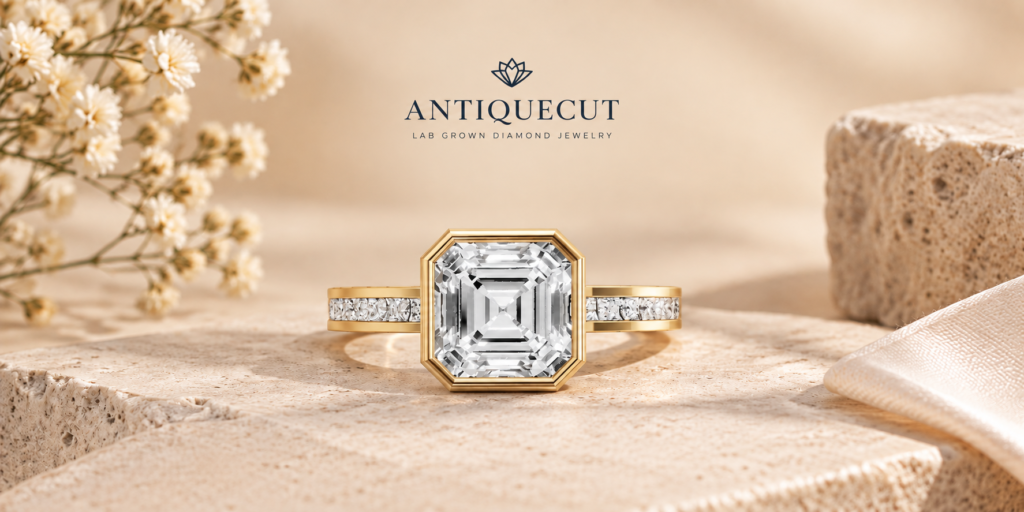

Choosing an engagement ring often comes down to finding a style that feels personal, practical, and easy to wear every day. Unique bezel engagement rings have become an appealing choice for shoppers who want a clean setting with a secure feel. Pairing this setting with a lab grown diamond adds another option for couples comparing stone quality, design, and budget. From a classic solitaire to a more detailed band, there are plenty of ways to make this setting your own.
What Is a Bezel Engagement Ring?
A bezel setting holds the center stone with a thin rim of metal that surrounds part or all of the diamond. Instead of using traditional prongs, the metal edge keeps the stone in place and creates a smooth outline around it.
This construction gives the ring a distinct appearance. The metal frames the diamond, making the shape of the center stone easy to notice. It also creates a low-profile feel that can work well for people who prefer jewelry that sits closer to the finger.
A bezel diamond engagement ring can be made in several shapes and metals. Round, oval, pear, emerald, cushion, and other cuts can all work with a bezel design, depending on the proportions and overall setting.
Why Choose a Lab Grown Diamond?
Lab grown diamonds are created in controlled laboratory conditions using processes that replicate the natural formation of diamonds. They have the same basic chemical composition and crystal structure as mined diamonds.
For engagement ring shoppers, this gives another way to compare diamonds while focusing on shape, cut, color, clarity, and carat weight. Since the diamond is only one part of the ring, buyers can also put more attention toward the setting, metal, and craftsmanship.
When a lab grown stone is placed in a bezel setting, the result can feel especially well suited to daily wear. The close-fitting metal design and protected stone edges make this combination worth considering for someone who wants a ring that works with an active routine.
The Appeal of Bezel Set Engagement Rings
One of the main features people notice about bezel set engagement rings is their smooth finish. Because there are no raised prongs extending around the diamond, the setting can have a simple and neat profile.
That can be useful for everyday activities. The lower edge is less likely to catch on sweaters, hair, or other fabrics compared with some higher-profile settings. This does not make a ring completely immune to damage, but it can make the design feel more convenient for regular use.
Another benefit is the visual outline created by the surrounding metal. Depending on the metal color and diamond shape, the frame can create contrast or help define the outline of the center stone.
Bezel Solitaire Engagement Ring for a Simple Look
A bezel solitaire engagement ring is a strong choice for someone who likes a single center stone without a busy setting. The bezel becomes the main design feature while the diamond remains the focal point.
This style can suit several diamond shapes. A round stone creates a classic appearance, while an oval can give the ring a longer visual line. Pear-shaped and emerald-cut diamonds can also create an interesting result when paired with the right bezel proportions.
The beauty of a solitaire design is its flexibility. It can be paired with a plain wedding band, a curved band, or another ring with a similar metal finish. Couples who want an engagement ring that can easily work with future jewelry may appreciate this adaptable approach.
Unique Bezel Engagement Rings for Different Personalities
Not every bezel ring needs to be plain. Designers can introduce character through the shape of the setting, the band profile, accent stones, mixed metals, or unusual diamond proportions.
For example, an oval diamond inside a slim bezel can create a delicate appearance, while a wider metal frame can give the center stone a stronger visual presence. East-west settings can also place an elongated diamond horizontally across the finger for a less traditional layout.
Some designs use a partial bezel rather than covering the entire edge of the stone. Others combine a bezel center with small diamonds along the band. These details allow buyers to stay with the secure look of a bezel while choosing a design that feels less expected.
When you buy unique bezel engagement rings, it helps to look beyond the center diamond and consider how the setting works with the entire ring.
How Metal Choice Changes the Look
The metal used in a bezel setting can have a noticeable effect on the overall appearance of the ring.
White gold creates a close color relationship between the setting and the diamond. Yellow gold adds contrast around a white diamond, which can make the bezel outline easier to see. Rose gold introduces a warmer tone and can create a softer color combination.
Platinum is another option for shoppers who want a durable precious metal with a naturally white appearance.
The choice often comes down to personal taste as well as practical considerations such as maintenance, budget, and how the engagement ring will pair with other jewelry.
Picking the Right Diamond Shape
Diamond shape matters even more in a bezel ring because the metal frame follows the outer contour of the stone.
Round diamonds offer a balanced outline and work naturally with circular bezels. Oval diamonds create a lengthened look on the finger and can suit both horizontal and vertical orientations. Emerald-cut diamonds bring clean lines and a step-cut appearance, while pear-shaped diamonds introduce a tapered point.
Cushion cuts can work well for those who like softer corners, while marquise diamonds can create a longer visual effect.
When selecting a center stone, consider how the shape will look once surrounded by metal. A bezel setting changes the visual proportion slightly, so seeing the complete ring design can be more useful than choosing the diamond separately.
Comfort and Everyday Wear
An engagement ring is usually worn frequently, so comfort deserves attention during the buying process.
Bezel settings can have a low and smooth construction, which may appeal to people who do not want a ring with prominent prongs. However, comfort still depends on factors such as band width, ring size, setting height, and the inside shape of the ring.
Before making a purchase, check the ring’s measurements and compare them with styles you already enjoy wearing. If possible, pay attention to how the ring fits beside a wedding band because the two rings may sit differently depending on the setting.
Lab Grown Bezel Engagement Ring Styles to Consider
There are several directions to explore when looking for a lab grown bezel design.
A round solitaire is a straightforward choice for someone who prefers a familiar shape. An oval bezel can bring a longer appearance to the finger, while an east-west oval offers a different layout. Three-stone arrangements can add side diamonds around the center, and bezel bands can provide a coordinated look when paired with a bezel engagement ring.
Some couples may also prefer a simple center stone with a more detailed band. Small accent diamonds can add interest without changing the clean outline of the bezel itself.
The right option depends on how much detail you want, how often you plan to wear the ring, and whether you want the engagement ring to stand alone or coordinate with a wedding band.
What to Check Before Buying
Before choosing a bezel engagement ring, take time to compare the center stone and the setting together.
Start by reviewing the diamond’s cut, color, clarity, carat weight, and certification when applicable. Then look at the dimensions of the setting, the thickness of the bezel, and the width of the band.
Ring size is another important detail. A bezel setting can feel different from a prong setting because of its shape and profile, so using accurate measurements matters.
It is also worth checking the jeweler’s policies for resizing, returns, repairs, and future maintenance. These details may become important over the years.
Antiquecut offers another destination to explore when comparing lab grown bezel styles and different engagement ring designs.
Matching Your Engagement Ring With a Wedding Band
One advantage of a bezel setting is the number of ways it can be paired with another ring. A straight band may work well with a low-profile bezel, while a curved or contoured band can fit around a larger center setting.
Matching metals creates a coordinated appearance, but mixing metals can also make the ring combination more distinctive.
Try to think about the engagement ring and wedding band as a pair rather than choosing them separately. The spacing between the rings, the height of the center stone, and the width of each band can all affect how they sit together.
A Setting Worth Considering
A lab grown diamond paired with a bezel setting gives shoppers an opportunity to combine diamond choice with a practical ring design. The surrounding metal creates a clear border around the stone, while the lab grown diamond provides another route for couples comparing their options.
From bezel engagement rings with a classic solitaire layout to more distinctive designs with horizontal diamonds or accent stones, the style can be adapted in many ways.
For someone searching for a ring that balances a defined outline, a secure setting, and a range of customization choices, the bezel format is worth adding to the shortlist. The best design is ultimately the one that fits the wearer’s taste, lifestyle, and plans for everyday use.