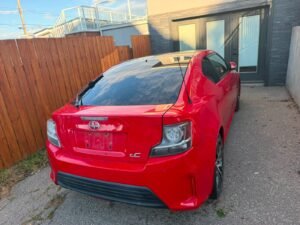
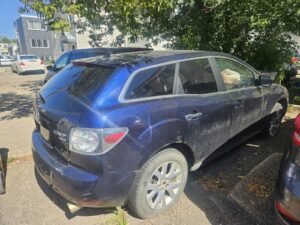
Owning an older vehicle can become challenging when replacement parts are no longer readily available. What once seemed like a dependable car may start requiring specialized components that are difficult to locate, expensive to import, or no longer manufactured. Even relatively minor mechanical problems can become frustrating when finding the correct replacement part takes weeks or months.
For many vehicle owners, these difficulties eventually raise an important question: Is it worth continuing to repair an ageing vehicle, or is selling it a better option?
The good news is that a vehicle does not need to be in perfect mechanical condition to have resale value. Even when certain components are unavailable, its engine, body panels, interior, wheels, and other usable parts may still interest potential buyers.
Understanding your selling options can help you make a practical decision without spending unnecessarily on repairs.
Why Are Replacement Parts Difficult to Find for Older Vehicles?
Finding replacement parts becomes more complicated as vehicles age. Manufacturers gradually discontinue certain components, while suppliers may reduce their stock of parts for models that are no longer popular.
Several factors can contribute to this problem.
-
Discontinued manufacturing: Some manufacturers stop producing components when a particular vehicle model becomes outdated.
-
Limited supplier availability: Local dealerships and automotive stores may no longer stock parts for older vehicles.
-
Imported components: Certain replacement parts must be sourced internationally, increasing shipping expenses and delivery times.
-
Rare vehicle models: Cars with limited production numbers often have fewer compatible components available.
-
Specialized technology: Older vehicles with uncommon mechanical or electrical systems may require specific parts that are difficult to substitute.
These challenges can make routine maintenance more expensive and time-consuming than expected.
How Difficult-to-Find Parts Affect Your Vehicle’s Resale Value
A shortage of replacement parts can reduce a vehicle’s appeal to traditional used-car buyers. Most people looking for a dependable daily driver want something that can be repaired without extensive delays or unexpected expenses.
For example, an older vehicle requiring a discontinued transmission component may remain parked for weeks while the owner searches for a suitable replacement. Even if the rest of the vehicle is in reasonable condition, buyers may hesitate because they cannot predict how much additional work will be necessary.
However, the impact on resale value depends on the vehicle’s overall condition.
A car with a healthy engine, undamaged body, and functional interior may still attract interest. Some buyers specialize in older models and are willing to source hard-to-find components. Others may purchase the vehicle for usable parts or recycling purposes.
Should You Spend Money Searching for Rare Replacement Parts?
Before investing additional money, consider whether finding the missing components is financially worthwhile.
Start by obtaining estimates from multiple parts suppliers. Compare the cost of original equipment manufacturer (OEM) components with compatible aftermarket alternatives, provided they meet the vehicle’s requirements.
You should also consider the following:
Compare Repair Costs With Market Value
Determine how much your vehicle could reasonably sell for after repairs. If the replacement parts and labour cost nearly as much as the vehicle’s expected resale value, repairing it may not be financially sensible.
Consider the Time Required
Some components take considerable time to source, particularly when they must be imported. If your vehicle has already been sitting unused, additional delays may make the situation less practical.
Evaluate Other Mechanical Problems
An older car may have several maintenance requirements beyond the missing component. Check its engine, brakes, suspension, cooling system, and electrical components before making a financial decision.
If multiple repairs are approaching, continuing to invest in the vehicle may create additional expenses without guaranteeing a worthwhile return.
Where Can You Sell an Older Vehicle With Hard-to-Find Parts?
When conventional repairs become difficult, exploring alternative selling options can help you move forward.
1. Sell to a Private Buyer
Private buyers may be interested in an older vehicle if they understand its condition and are comfortable sourcing replacement parts themselves.
Enthusiasts who restore older cars sometimes search for discontinued models or vehicles that can provide components for existing restoration projects.
However, finding the right buyer can take time. You should clearly disclose missing parts, mechanical problems, and any repairs the vehicle requires.
2. Contact Used Vehicle Dealers
Some used-car dealerships purchase older vehicles even when they require mechanical attention. Their willingness to make an offer usually depends on the vehicle’s condition, demand, and potential resale value.
However, dealerships may be less interested in models with limited parts availability because repairing and reselling them can involve additional complications.
3. Consider Cash-for-Cars Services
If your vehicle has become too expensive or difficult to maintain, cash-for-cars services can provide another selling option.
These buyers may consider vehicles with missing components, mechanical problems, discontinued parts, or extensive wear. Instead of requiring you to restore the car, they evaluate its current condition and remaining value.
You can explore cash for cars calgary services to understand your options for selling an unwanted older vehicle without arranging complicated repairs first.
4. Sell It for Parts or Recycling
Sometimes, the individual components of an older vehicle are more useful than the complete car.
Usable engines, doors, mirrors, wheels, seats, and electrical components may still have value. Vehicles with extensive deterioration can also contain recyclable metals and other recoverable materials.
This option can be particularly useful when the car is no longer economical to repair or operate.
How to Prepare Your Vehicle Before Selling
Even when replacement parts are unavailable, preparing your vehicle properly can make the selling process easier.
Consider these simple steps:
-
Gather vehicle information: Keep the make, model, manufacturing year, and mileage available.
-
Collect maintenance records: Previous repair invoices can help buyers understand the vehicle’s condition.
-
Identify missing components: Make a list of discontinued or unavailable parts that affect the car’s operation.
-
Take clear photographs: Show the exterior, interior, engine compartment, and any visible damage.
-
Be honest about mechanical problems: Explain which components are missing, damaged, or no longer functional.
-
Prepare ownership documents: Having the necessary paperwork ready can prevent unnecessary delays.
You do not need to spend money restoring every part before contacting potential buyers. Accurate information and reasonable expectations are often more useful.
When Is Selling Better Than Continuing to Maintain an Older Car?
There comes a point when maintaining an older vehicle becomes more stressful than beneficial.
If replacement components are difficult to source, repair costs continue increasing, and the car spends more time parked than on the road, selling it may be a sensible decision.
You should also consider whether the vehicle meets your current transportation needs. A car that frequently requires specialized repairs may not provide the reliability you expect from everyday transportation.
If you have already spent considerable time searching for discontinued parts without finding a practical solution, exploring cash for junk cars services may help you sell the vehicle in its existing condition.
Junk My Car YYC provides options for Calgary vehicle owners looking to sell unwanted, damaged, and non-running cars. You can share your vehicle details, explain its condition, and request an offer without first completing expensive repairs.
Final Thoughts
Selling an older vehicle when replacement parts are difficult to find does not have to be complicated. Although discontinued components can reduce its appeal to traditional buyers, the vehicle may still hold value through its usable parts, mechanical components, and recyclable materials.
Before spending more money on repairs, compare the expected expenses with the vehicle’s potential selling price. If maintaining it no longer makes financial sense, selling it in its current condition can be a practical way to avoid further costs and move on.